

بیانیه رئیس دانشگاه علوم پزشکی تهران در خصوص تبعات انسانی و بهداشتی حملات رژیم صیهونیستی
دکتر سید رضا رئیسکرمی، رئیس دانشگاه علوم پزشکی تهران، در بیانیهای رسمی خطاب به نمایندگان سازمانهای بینالمللی سلامت و نهادهای بشردوستانه، با ابراز نگرانی عمیق نسبت به پیامدهای فزاینده حملات اخیر رژیم صهیونیستی، بر تأثیرات گسترده این اقدامات بر سلامت انسان، پایداری نظامهای درمانی و ایمنی محیط زیست تأکید کرد.
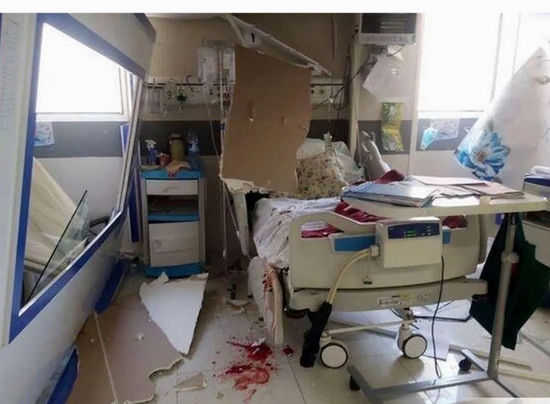
به گزارش روابط عمومی معاونت بینالملل دانشگاه علوم پزشکی تهران، بیانیه کامل دکتر رئیس کرمی به شرح زیر است:
نمایندگان سازمانهای بینالمللی سلامت و نهادهای بشردوستانه در جمهوری اسلامی ایران
عالیجنابان، با سلام،
در پی تشدید درگیریهای نظامی در منطقه، جامعه علمی و پزشکی دانشگاه علوم پزشکی تهران (TUMS) عمیقاً نسبت به پیامدهای بالقوه این وضعیت بر سلامت انسان، سیستمهای بهداشتی و ایمنی محیط زیست ابراز نگرانی میکند.
گزارشهای اخیر حاکی از آن است که حداقل ۱۳ بیمارستان و تأسیسات بهداشتی تحت تأثیر قرار گرفتهاند، به طوری که کارکنان بهداشتی کشته یا زخمی شدهاند و بیمارستانها به دلیل انفجارهای نزدیک تخلیه شدهاند. همچنین، تقریباً ۱۰۰,۰۰۰ نفر به دنبال درگیریهای مستمر ناچار به ترک محل زندگی خود شدهاند. این تحولات نگرانیهای جدی درباره حفاظت از زیرساختهای بهداشتی و تداوم خدمات پزشکی ضروری ایجاد میکند.
در سطح جهانی، حملات به مراکز بهداشتی در شرایط جنگی به بالاترین سطح تاریخی خود رسیده است و این نشاندهنده تهدید فزایندهای برای سیستمهای بهداشتی و دسترسی بشردوستانه است. در شرایط بحرانی، سالانه بیش از ۱۰۰۰ حمله به مراکز بهداشتی ثبت میشود که بیشتر بر توانایی سیستمهای بهداشتی در ارائه مراقبتهای نجاتبخش تأثیر میگذارد.
بر اساس قانون بشردوستانه بینالمللی – از جمله حفاظتهای تعیینشده در کنوانسیونهای ژنو – باید از کارکنان پزشکی، بیماران، تأسیسات بهداشتی و حمل و نقل پزشکی در تمامی اوقات حفاظت شود.
فراتر از هزینههای انسانی فوری، درگیریهای مسلحانه میتواند به شدت خدمات بهداشتی ضروری را مختل کند و خطرات سلامتی عمومی بیشتری ایجاد کند، از جمله آوارگی، شیوع بیماریها و آلودگی محیط زیست که بر هوا، خاک و آب تأثیر میگذارد و ممکن است پیامدهای بلندمدتی برای سلامت جمعیت داشته باشد.
در این راستا، ما با احترام از جامعه بینالمللی سلامت و بشردوستانه درخواست میکنیم که تلاشهای خود را برای حفاظت از بیمارستانها، کارکنان بهداشتی و خدمات پزشکی مطابق با قانون بشردوستانه بینالمللی تقویت کنید؛ عواقب بهداشتی و محیط زیستی درگیریهای مسلحانه را نظارت و مستندسازی نمایید؛ همکاری علمی و پزشکی را در راستای حفاظت از جمعیتهای غیرنظامی و حفظ خدمات بهداشتی ضروری حمایت کنید.
به عنوان بزرگترین و پیشرفتهترین مؤسسه آموزشی پزشکی در ایران، دانشگاه علوم پزشکی تهران آماده است با شرکای بینالمللی در مستندسازی تأثیرات بهداشتی و پیشبرد پاسخهای مبتنی بر شواهد جهت کاهش پیامدهای بهداشتی و محیط زیستی درگیری همکاری کند. ما از ادامه تعامل با شرکای بینالمللی استقبال میکنیم تا اطمینان حاصل شود که حفاظت از اصول بهداشتی و بشردوستانه در پاسخ جهانی نقش محوری دارد.
ما امیدواریم که جان انسانها، سیستمهای بهداشتی و احترام کامل به اصول بشردوستانه حفظ شود.
با کمال احترام،
دکتر سید رضا رئیس کرمی
رئیس دانشگاه
Representatives of International Health and Humanitarian Organizations in I.R. Iran Excellencies,
Greetings,
In light of the escalating
military confrontations in the region, the academic and medical community at Tehran University of Medical Sciences (TUMS) wishes to express profound concern regarding the potential consequences for human health, healthcare systems, and environmental safety. Recent reports indicate that at least 13 hospitals and health facilities have been affected, with healthcare workers killed or injured and hospitals evacuated due to nearby strikes, while approximately 100,000 people have reportedly been displaced amid ongoing hostilities. These developments raise serious concerns about the protection of healthcare infrastructure and the continuity of essential medical services. Globally, attacks on healthcare in conflict settings have reached alarming historical levels, reflecting a growing threat to health systems and humanitarian access. In fragile and emergency-affected settings, over 1,000 attacks on healthcare are recorded annually, further undermining the ability of health systems to deliver life-saving care. Under international humanitarian law—including the protections established in the Geneva Conventions and their Additional Protocols to the Geneva Conventions—medical personnel, patients, healthcare facilities, and medical transport must be respected and protected at all times. Beyond the immediate humanitarian toll, armed conflicts can severely disrupt essential health services and generate broader public health risks, including displacement, disease outbreaks, and environmental contamination affecting air, soil, and water, with potential long-term consequences for population health.
In this context, we respectfully urge the international health and humanitarian community to strengthen efforts to:
• Safeguard hospitals, healthcare personnel, and medical services in accordance with international humanitarian law;
• Monitor and document the health and environmental consequences of armed conflict; • Support scientific and medical cooperation aimed at protecting civilian populations and maintaining essential health services.
As Iran’s premium and largest academic medical institution, TUMS stands ready to collaborate with international partners in documenting health impacts and advancing evidence-informed responses to mitigate the health and environmental consequences of conflict. We would welcome continued engagement with international partners to ensure that the protection of health and humanitarian principles remains central to the global response.
We remain hopeful for the protection of human life, the preservation of healthcare systems, and the full respect for humanitarian principles.
Sincerely,
Prof. Seyed Reza Reis Karami,
MD Chancellor

ارسال نظر